The Mess Is the Message: How Creators Who Embrace Failure Are Winning the Loyalty Game

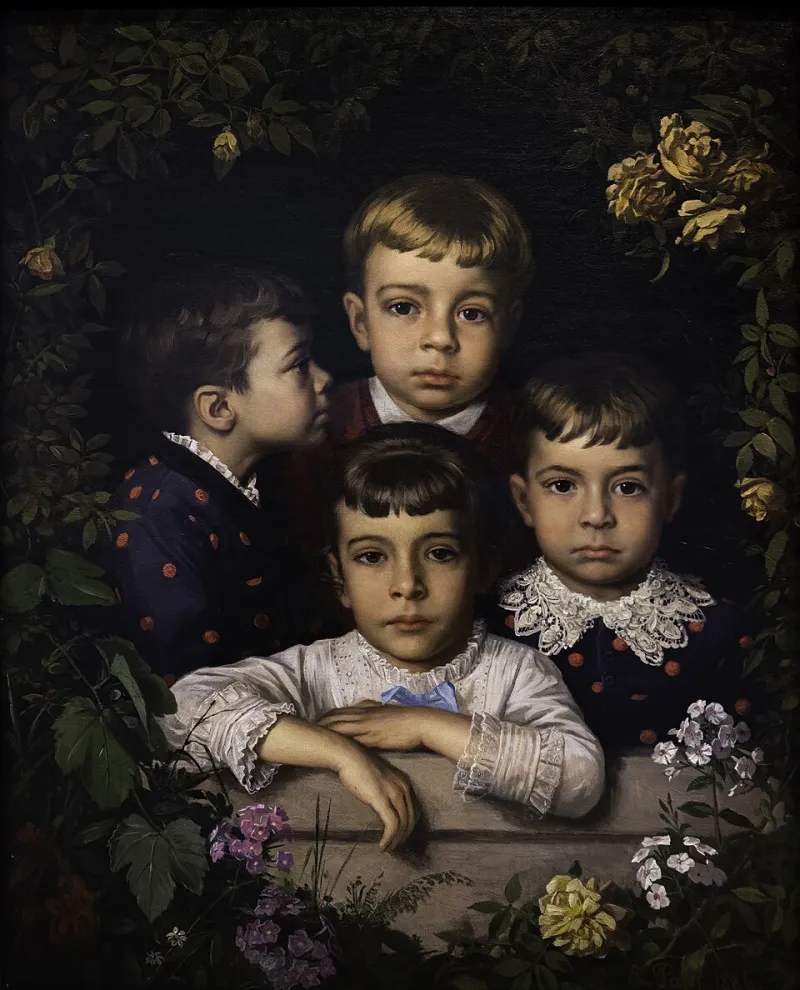
Photo: Snehangshu36, CC BY-SA 4.0, via Wikimedia Commons
Somewhere along the way, the internet convinced an entire generation of creators that the goal was to look effortless. Post the finished painting, not the fourteen abandoned sketches that came before it. Share the sold-out merch drop, not the batch that came back with the wrong pantone. Keep it clean, keep it aspirational, keep it moving.
Except that strategy is quietly falling apart — and the creators who figured that out early are building the kind of fanbases that feel less like an audience and more like a community with a shared history.
The Highlight Reel Is Getting Old
There's a specific kind of fatigue that sets in when every creator you follow seems to exist in a state of perpetual, frictionless success. The algorithm rewards confidence. Polished thumbnails get clicks. Finished work looks good in a grid. But audiences — particularly those who've grown up watching the machinery behind content creation — have developed a finely tuned radar for performance.
When musician and visual artist Lena Raine posted a candid thread about the creative block she hit midway through composing for a major game project, she wasn't pitching vulnerability as a brand strategy. She was just tired of pretending. The response was overwhelming — not because fans felt sorry for her, but because they recognized something true in what she described. That recognition is the currency that polished content simply cannot manufacture.
Audiences don't just want to admire creators anymore. They want to know them. And knowing someone means seeing them struggle.
Failed Experiments as Competitive Advantage
Consider what happens when a creator posts a project that didn't work. The instinct is to bury it — quietly delete the tweet, never mention the pilot that didn't get picked up, pretend the limited-edition product line never happened. But a growing number of creators are doing the opposite, and the results are counterintuitive.
YouTuber and filmmaker Thomas Flight built a substantial portion of his audience not on his best video essays but on a candid video dissecting why one of his earlier projects completely missed the mark. He walked through his own reasoning, identified where his instincts had failed him, and did it without the protective layer of ironic detachment. The video performed better than almost anything else on his channel. More importantly, it attracted the kind of viewer who sticks around — someone who is invested in the arc of a creative person's development, not just the individual deliverable.
This is what separates a fan from a loyal follower. A fan likes your work. A loyal follower is rooting for you.
The Parasocial Shift Nobody Saw Coming
Psychologists have been studying parasocial relationships — the one-sided emotional connections audiences form with public figures — for decades. What's changed is the texture of those connections. Traditional celebrity culture kept the fourth wall firmly in place. You admired from a distance. The mystique was part of the product.
Creators who lean into their failures are doing something structurally different. They're not just lowering the fourth wall; they're inviting you backstage and leaving the lights on. When illustrator and author Dani Donovan began openly documenting her ADHD's impact on her creative process — the missed deadlines, the paralysis, the projects she had to abandon — she didn't just grow her audience. She reoriented it. Her followers stopped consuming her work and started participating in her story.
That shift from consumption to participation is where the real loyalty lives. It's harder to walk away from a story you feel like you're part of.
What This Means for the Imagination Economy
Make no mistake: this isn't a call for creators to perform struggle the same way they used to perform success. Audiences can spot manufactured vulnerability just as quickly as they can spot a fake smile in a brand deal. The creators who are actually winning with this approach aren't treating their failures as content — they're treating them as honest documentation of what creative work actually looks like.
There's a meaningful difference between a creator who posts a tearful "I've been going through so much" video timed to a product launch and one who quietly shares a photo of a ruined canvas with a caption that just says, tried something new, it did not go well, back at it tomorrow. The second one is barely trying to be content. That's exactly why it lands.
The imagination economy — the one Marive Kai exists to celebrate — runs on authenticity as fuel. Not the sanitized, brand-safe version of authenticity. The kind that has fingerprints on it.
The Long Game
Creators who've built their platforms on polish aren't going anywhere. There will always be an audience for aspirational content, for the finished thing presented beautifully. But the creators who are quietly building the most resilient fanbases — the ones that survive algorithm changes and platform migrations and the general chaos of the internet — are the ones whose audiences feel like they've been trusted with something real.
Showing your failures doesn't make you look weak. It makes you look like someone worth following for the long haul. And in a media landscape where attention is the scarcest resource, that might be the most powerful thing a creator can offer.
The mess, it turns out, is the message. And audiences are paying closer attention to it than anyone expected.