Stop Chasing the Feed: How Creators Are Winning by Being Genuinely Weird
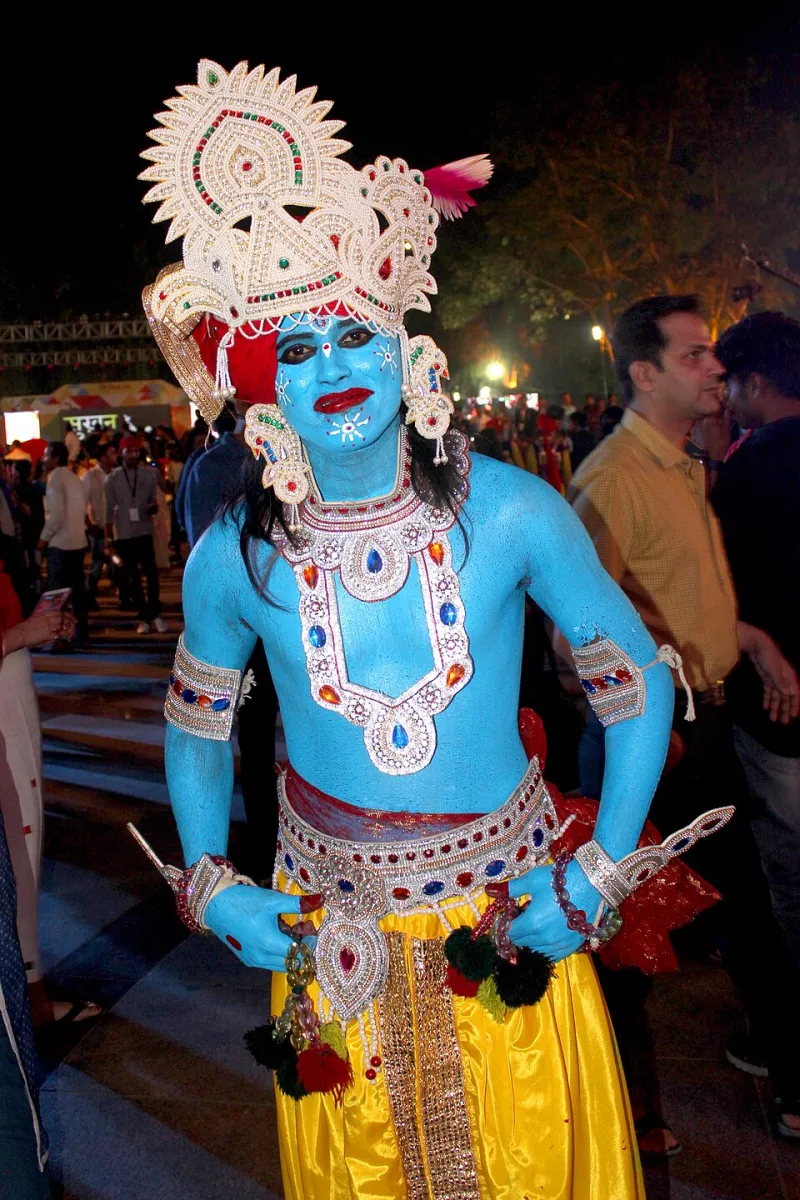
Photo: Suyash Dwivedi, CC BY-SA 4.0, via Wikimedia Commons
There's a moment most creators know well. You've studied the analytics, picked the trending audio, framed the shot the way the algorithm seems to prefer this week — and the post lands with a thud. Meanwhile, some artist in Nebraska posts a rambling, unedited video about their obsession with abandoned water towers, and it gets half a million views by Tuesday morning.
The algorithm, it turns out, doesn't actually know you. And more importantly, it never will.
Right now, some of the most exciting creative voices in the US aren't playing the optimization game. They're doing something weirder and, honestly, way more interesting — they're building their entire creative identity around the parts of themselves that don't fit any template.
The Trap Nobody Talks About
For a while, the playbook made sense. Study what performs, reverse-engineer the format, hit publish, repeat. Platforms like YouTube, TikTok, and Instagram made it easy to see exactly what the crowd was responding to, and creators — understandably — chased that signal.
But here's what happened: everyone started chasing the same signal at the same time. The result is a feed full of eerily similar content. Same transitions, same thumbnail expressions, same pacing, same "wait for it" hooks. Audiences aren't stupid. They can feel the sameness, even if they can't name it, and they're getting bored.
What breaks through that noise? Something they've never quite seen before. Something that feels like a person made it, not a content strategy.
Weirdness as a Competitive Advantage
Let's talk about what "weirdness" actually means here, because it's not about being random or performatively quirky. It's about specificity. The creator who talks about their grandmother's recipe cards and ties them into broader conversations about memory and identity. The musician who makes lo-fi country-electronic music because that's genuinely what lives in their head. The illustrator who draws every piece as if it exists in a post-apocalyptic version of 1970s suburbia — for no reason other than that's the world they see.
These aren't gimmicks. They're signatures. And signatures, by definition, belong to one person.
Artist and illustrator Megan Majewski built a following of hundreds of thousands largely through work that shouldn't work by conventional metrics — slow, detailed, often melancholy, and deeply personal. She's talked in interviews about resisting the urge to speed up her process for Reels or simplify her aesthetic for broader appeal. The audience that found her found her because of that resistance, not in spite of it.
Similarly, musicians operating in genuinely niche sonic spaces — bedroom pop artists, experimental country acts, producers blending genres that have no obvious market — are quietly building the kind of cult followings that translate into sold-out tours and licensing deals that trend-chasers can only dream about.
What Audiences Are Actually Hungry For
Here's the thing about the current moment in American pop culture: people are exhausted by content that feels like it was made for them in the most cynical sense. Targeted, optimized, A/B tested into a corner. There's a growing appetite for work that feels like it was made by someone — someone with a distinct interior life, specific obsessions, and a point of view that didn't emerge from a focus group.
This is partly why parasocial culture has exploded. Audiences don't just want the work; they want the person behind it. They want to feel like they've found something rare — a creator who would be making this stuff even if nobody was watching.
And the creators who actually are like that? They're magnetic in a way that no amount of thumbnail optimization can manufacture.
The Long Game Nobody's Selling You
There's a practical argument here, too, beyond the philosophical one. Trends cycle fast — embarrassingly fast. What's performing this quarter is often cringe by the next. Creators who've built their identity around a genuine aesthetic or voice have something that doesn't depreciate with the algorithm update cycle: they have a world.
A world has depth. It can expand. It gives audiences a reason to go back through the archive, to introduce it to friends, to buy the merch or the book or the ticket because they want to live inside that world a little more.
That's not something you can reverse-engineer from a trending sound.
So What Does This Look Like in Practice?
It starts with an honest inventory. Not "what performs" but "what am I actually like when nobody's watching?" What are the references you return to constantly? What's the aesthetic that shows up in your personal spaces, your playlists, your notebooks? What do your closest people tease you about because it's so distinctly you?
That's the material. That's the signature.
The work then becomes figuring out how to translate that interior world into something shareable — not by softening it or making it more palatable, but by finding the clearest possible expression of it. The goal isn't to confuse people; it's to give them access to something they couldn't have found anywhere else.
Maybe it takes longer to find your audience that way. Almost certainly it does. But the audience you find is yours in a way that an algorithm-chased following never really is.
The feed doesn't know you. Your work does. Lean into it.