The Story That Never Ends: How Creators Turned the Cliffhanger Into a Career
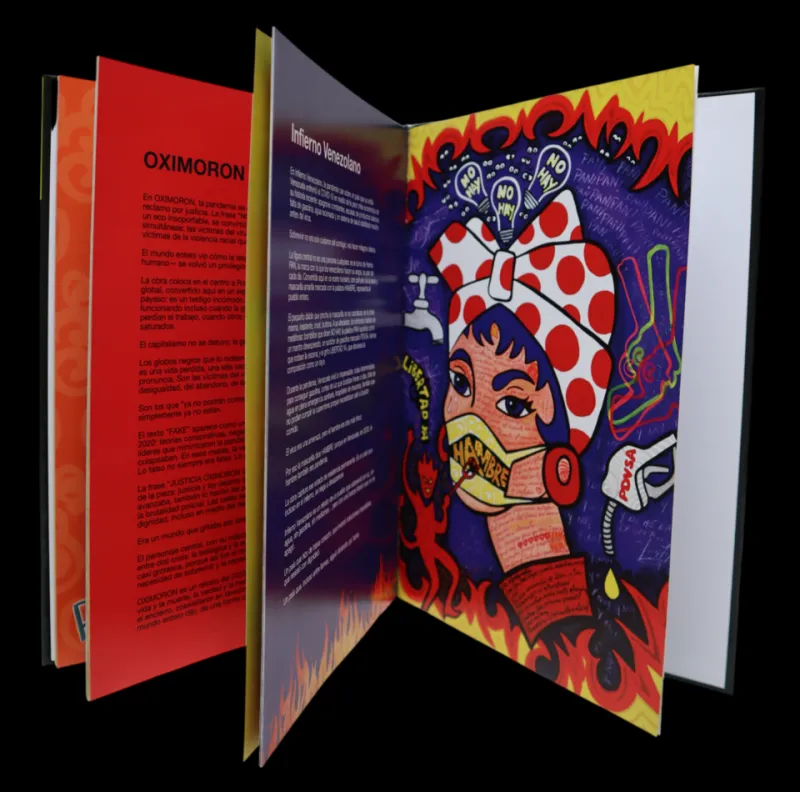
Photo: HonysTorresArt, CC BY-SA 4.0, via Wikimedia Commons
There's a particular kind of agony that any dedicated fan knows well. You're three seasons deep into a podcast drama, or forty chapters into a web serial, or six months into a TikTok creator's ongoing fictional universe — and just when the narrative seems to be building toward something, it pivots. A new thread appears. A character resurfaces with a secret. The resolution you were promised quietly moves another few steps down the road.
Here's the twist: that feeling isn't a bug in the system. It's the entire point.
Welcome to what some industry watchers are calling the Unfinished Masterpiece Economy — a creative and commercial model built not on delivering conclusions, but on sustaining the hunger for them.
Open Loops, Open Wallets
The psychology here isn't complicated, even if it is fascinating. Humans are wired to seek resolution. The Zeigarnik effect — a well-documented cognitive phenomenon — tells us that incomplete tasks occupy more mental real estate than finished ones. Stories without endings don't leave us; they linger. They become something we carry around, turning over in the back of our minds during commutes, in the middle of other conversations, at two in the morning.
Creators who understand this are essentially hacking attention itself.
Take Patreon as a case study. The platform's most successful creators — particularly those working in fiction podcasts, illustrated web comics, and serialized written fiction — don't tend to be the ones who publish complete, polished works. They're the ones who release chapters, episodes, or installments on a rhythm that keeps subscribers perpetually mid-story. The "early access" model isn't just about timing. It's about maintaining a state of narrative suspense that makes canceling a subscription feel like abandoning a friend at a cliffhanger.
TikTok and the Serial Instinct
If Patreon represents the long-game version of this strategy, TikTok is where it plays out in real time, compressed into sixty-second fragments.
StoryTok — the loose community of creators building fictional narratives directly in their feeds — has produced some genuinely remarkable examples of serialized storytelling that resist closure almost as an art form. Creators like those behind elaborate character-driven lore drops or slow-burn mystery arcs understand that each video functions as both a satisfying micro-experience and an unresolved thread pulling viewers back for the next installment.
The comment section becomes part of the narrative engine. Theories, corrections, fan-generated plot predictions — these aren't just engagement metrics. They're co-authorship. When your audience is actively constructing the story alongside you, the story can never really end, because the audience won't let it.
The Long-Form Podcast Universe Problem
Long-form podcasts occupy a particularly interesting corner of this economy. Shows like sprawling true-crime series, collaborative worldbuilding podcasts, and audio dramas have proven that audiences will follow a narrative thread for years — sometimes without any clear promise of resolution — if the world feels rich enough to keep exploring.
This creates a genuine tension, though. There's a difference between a story that breathes and evolves intentionally, and one that strings listeners along without purpose. Audiences in 2024 are sophisticated. They can feel the difference between a creator who has mapped out a universe with deliberate open ends, and one who is improvising to avoid the vulnerability of finishing something.
The creators who thrive in this model tend to share a quality that's hard to fake: they seem genuinely in love with their own world. The incompleteness doesn't feel like stalling — it feels like enthusiasm. Like there's simply too much story to contain.
What This Asks of the Audience
For fans, the Unfinished Masterpiece Economy requires a particular kind of trust. You're not buying a product with a clear deliverable. You're buying into a relationship — one where the creator sets the pace and the destination remains negotiable.
Some audiences find this liberating. Communities built around ongoing fictional universes — think the fandoms that have grown up around serialized web fiction platforms like Royal Road, or the Discord servers dedicated to dissecting a podcast's mythology — often describe the incompleteness as part of what makes the space feel alive. A finished story is an artifact. An unfinished one is a living thing.
Others, understandably, find it exhausting. There's a real emotional cost to sustained narrative investment without payoff. Some creators have faced genuine backlash when long-running storylines seemed to drift without intention, or when real-life circumstances caused extended hiatuses that broke the spell entirely. The contract between creator and audience in this model is fragile. Momentum, consistency, and the sense that someone is steering — even if the destination is secret — are non-negotiable.
The Business Case for Perpetual Stories
From a purely commercial standpoint, the math is straightforward. A creator who publishes a complete novel, album, or film generates a burst of revenue around release. A creator who builds an ongoing universe generates recurring revenue, sustained engagement, and the kind of community loyalty that translates into merchandise, live events, crowdfunding campaigns, and brand partnerships.
This is why platforms are structurally incentivizing the open-ended model. TikTok's algorithm rewards return viewership. Patreon's subscription structure rewards longevity. YouTube's ad revenue scales with watch hours, not completed narratives. The platforms aren't neutral infrastructure — they're actively shaping the economics of storytelling toward perpetuity.
For independent creators especially, this shift has been significant. The old model — finish the thing, sell the thing, hope it finds its audience — has given way to something more like tending a garden. The work is never done, but neither is the income stream.
The Signature in the Open Door
There's something worth sitting with here, beyond the economics. The best creators working in this mode aren't just building subscription funnels. They're making a genuine artistic argument: that some stories are too large for endings. That the most honest thing a creator can do with a world they love is refuse to shut the door on it.
Maybe that's the real signature of this era — not the cliffhanger itself, but the courage to say I'm not done here yet and mean it as a gift rather than a delay.
The audiences who get it aren't waiting for the ending. They've decided the journey is the whole point. And honestly? That might be the most interesting creative contract we've seen in a long time.