Static, Grain, and Ink: Why Imperfect Analog Creators Are Leaving the Algorithm in the Dust
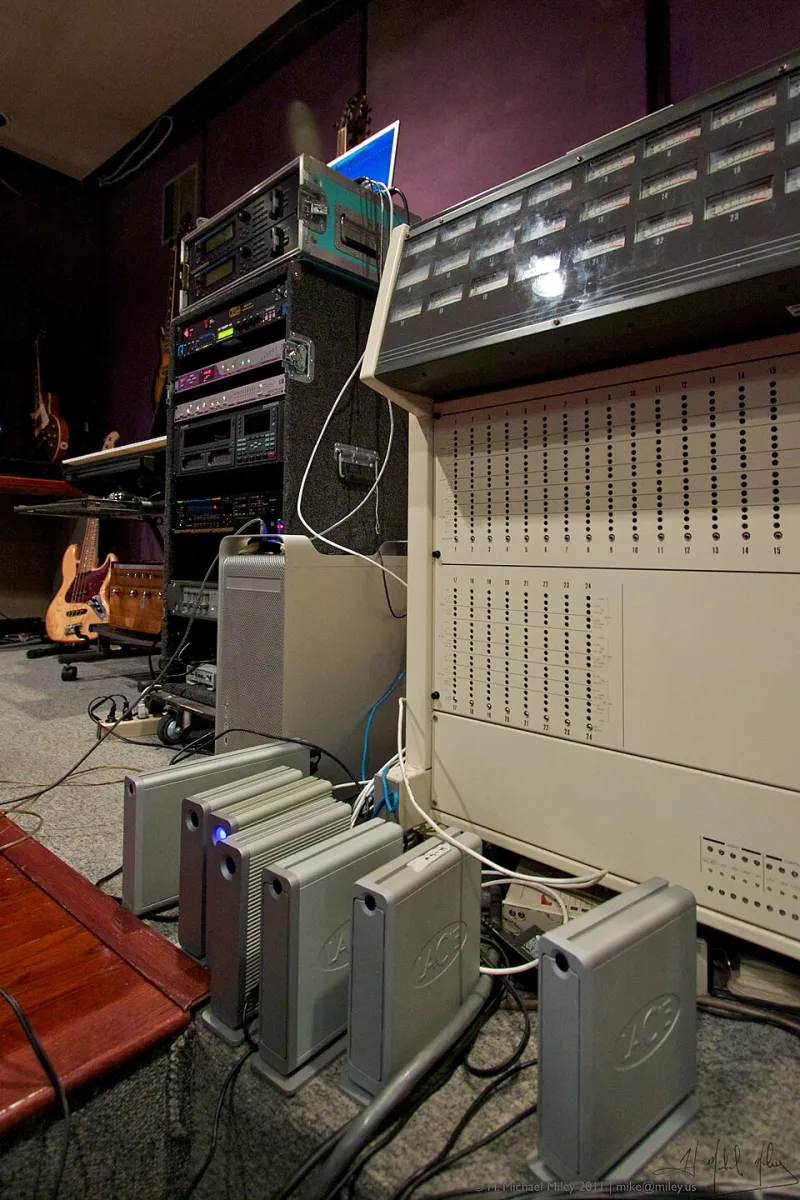
Photo: H. Michael Miley, CC BY-SA 2.0, via Wikimedia Commons
There's a particular warmth to a song recorded on tape. A slight flutter in the pitch. A softness at the edges of the high frequencies. A presence that doesn't translate perfectly into data. If you've grown up on streaming audio, you might not even be able to name what you're hearing — but you feel it. Something about it settles differently in the chest.
That feeling is increasingly rare. And it turns out, rare things attract crowds.
Across music, visual art, writing, and photography, a counterintuitive movement is gaining real momentum: creators who have deliberately stepped back from digital tools — or who never adopted them in the first place — are finding audiences that are not just large but unusually loyal, unusually engaged, and unusually willing to pay.
The Algorithm Doesn't Know What to Do With a Pencil
Here's the thing about digital optimization: it's extremely good at identifying patterns and replicating them at scale. Feed it enough data about what works, and it will surface more of what works. This is great for reach and genuinely terrible for originality.
The result is a content landscape where everything that performs well tends to look and sound like everything else that performed well. Thumbnail styles converge. Color grading trends spread across every genre of video. Even "authentic" lo-fi aesthetics get codified and mass-produced until they stop feeling authentic at all.
Analog work breaks this cycle not by being better in any technical sense but by being unrepeatable. When illustrator Marcus Wren draws with a dip pen and India ink, the line quality he produces is a product of his specific grip, the specific humidity in his studio in Asheville, the particular flex of that nib on that day. No AI can replicate it. No algorithm can generate it from a prompt. It is, in the most literal sense, his handwriting.
And audiences, even if they can't articulate why, recognize the difference.
Tape Hiss as Trust Signal
In music, the analog revival has been quietly building for years, but it's accelerating. Artists recording to two-inch tape, releasing music on vinyl first, mixing on vintage consoles — these aren't just aesthetic choices. They're statements about authenticity that audiences are reading clearly, even if subconsciously.
Singer-songwriter Lena Farris records everything in a converted barn outside Nashville using equipment that most studios retired decades ago. Her Spotify numbers are modest. Her Bandcamp sales, her Patreon subscriptions, and her merch revenue tell a completely different story.
"People who find my music tend to stay," she says. "They write long emails. They come to multiple shows. I think it's because the music sounds like it came from a real place — because it literally did. You can hear the room. You can hear me breathe. That's not a production choice, it's just what happened when I hit record."
The tape hiss — that gentle, constant whisper in the background of her recordings — functions almost as a trust signal. It tells the listener: nothing here was smoothed out. What you're hearing is what occurred.
The Irreproducibility Premium
There's an economic angle here that's worth paying attention to. In a market flooded with infinitely reproducible digital content, things that can't be perfectly duplicated carry a premium.
This is part of why original paintings sell for prices that prints never will. It's why handwritten letters feel more significant than emails. It's why a live performance hits differently than a studio recording, even when the studio version is technically superior.
Analog creators are sitting on a version of this premium that they're only beginning to understand how to monetize. The original is always the original. The process is visible in the output. The imperfections are evidence of presence.
Photographer Simone Achebe, who shoots exclusively on medium format film, puts it this way: "When someone buys a print from me, they know that the grain they're looking at is actual grain — silver halide crystals that reacted to actual light that bounced off an actual person. That's not a filter. That's chemistry. There's no version of that you can get from a phone camera or a Midjourney prompt."
Why Now?
The timing of this analog resurgence isn't random. It's a direct response to the moment we're in — one where AI-generated content is proliferating fast enough that audiences have started to develop a kind of low-grade anxiety about what's real.
When everything can be fabricated, evidence of the unfabricatable becomes precious. Analog work carries that evidence in its DNA. The wobble in the tape. The ink bleed on the paper. The scratch in the vinyl. These aren't flaws to be corrected — they're proof of origin, and right now, proof of origin is one of the most valuable things a creator can offer.
This doesn't mean every creator should throw out their laptop and buy a loom. Digital tools are extraordinary, and plenty of creators are using them in ways that are deeply personal and unmistakably human. But the analog creators who are thriving right now are pointing at something important: the audience's hunger for irreducibility is real and growing.
The Audience That Shows Up
What's particularly striking about the communities forming around analog creators isn't just their size — it's their quality. These audiences tend to be more patient, more willing to engage with process, more interested in the how behind the what.
Wren, the illustrator, noticed that his audience started asking questions he'd never gotten before. "People want to know about the paper, the ink, the nib size. They want to watch me work in real time. There's a curiosity about the physical process that I never got when I was doing digital work."
That curiosity creates a different kind of relationship — one built not just on the finished product but on the entire act of making. Which means the audience isn't just consuming content. They're witnessing something. And witnessing, it turns out, is a much stickier experience than scrolling.
The algorithm can't read handwriting. But the audience can. And right now, they're hungry for it.